

PvP match duration has steadily decreased as damage profiles become more explosive. Faster kill windows and tighter reaction times compress engagements, turning each exchange into a decisive moment rather than a prolonged battle.
This shift fundamentally changes how players approach positioning, cooldowns, and risk.
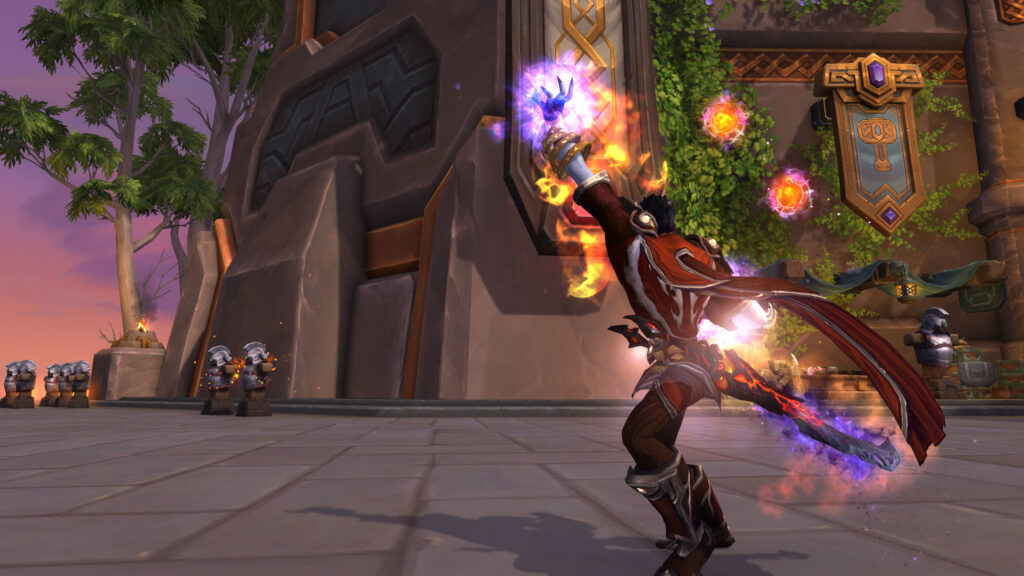
Why Matches End Faster Than Before
Increased burst and overlapping offensive tools reduce recovery windows. Mistakes that once could be healed through now result in immediate losses.
Match length contracts as lethality rises.
Compressed Decision Windows
Shorter matches demand faster reads. Players must identify threats and respond preemptively rather than reactively.
Hesitation often proves fatal.
Gameplay Adjustments Driven by Shorter Matches
Players adapt their approach to survive and capitalize on intensity.
- Earlier defensive usage to avoid instant kills
- Conservative positioning to reduce exposure
- Prioritizing crowd control over sustained pressure
- Trading cooldowns aggressively to secure tempo
Each adjustment reflects urgency rather than patience.
Impact on Composition and Strategy
Compositions favor control and setup efficiency. Teams that can force short, decisive engagements gain advantage.
Extended attrition strategies lose relevance.
Psychological Pressure of Faster Outcomes
Short matches increase stress. Players operate under constant threat, knowing one error can end the game.
Mental composure becomes as important as mechanics.
Conclusion
PvP match length continues to shorten as damage profiles intensify. By compressing decision windows and increasing lethality, modern PvP rewards anticipation, discipline, and precision over prolonged endurance.